


Experience the rich flavors and health benefits of our high-grade green tea matcha sourced from Japan's finest traditions.

Should I use boiling water to make matcha?
Definitely not. Using boiling water (100 C Deg) scorches the delicate powder, resulting in a bitter, "grassy" mess.The Fact: To preserve both the sweet umami flavor and the temperature-sensitive antioxidants (EGCG), use water between (70 C Deg and 80 C Deg )

Can I drink matcha on an empty stomach?
For many, it’s risky. Matcha is highly concentrated in tannins. The Science: Drinking tannins on an empty stomach can increase stomach acid, which may lead to nausea or "the shakes" for those with sensitive linings. The Tip: If you have a sensitive stomach, enjoy your matcha about 30 minutes after a light meal.



Is Satoen matcha certified by Thailand FDA?
A: Yes. All Satoen Thailand products are officially licensed by the Thailand FDA. Our certification number is 10-3-18868-5. Products also carry HACCP, HALAL, and Global G.A.P certifications.


How to brew matcha without it clumping and how to whisk correctly?
To brew matcha without clumps, first sift one teaspoon of powder through a fine strainer into your bowl. Add a splash of warm water—not boiling. Use a bamboo whisk to gently rub the paste smooth, then whisk vigorously in a "W" shape until it's frothy.
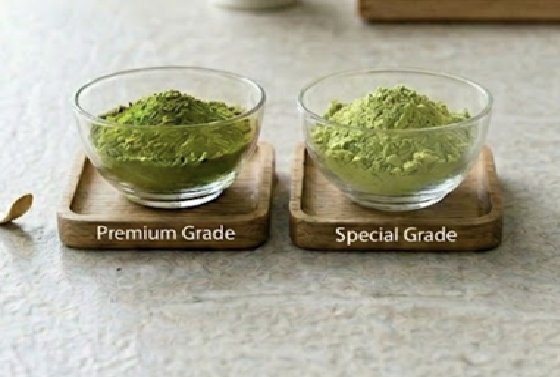
What is the difference between Premium grade and Special grade Matcha?
Tea quality is graded according to the harvest season.
Premium: Tea harvested in the spring. From about March to April.
Special: Tea harvested in summer and autumn. From about June to the end of the year.
Health benefits of drinking Matcha regularly.
Drinking matcha, with its high concentration of EGCG catechins ( antioxidant ), inhibits fat cell formation and increases your body's fat oxidation rate, especially when combined with the right exercises.
This directly supports weight management efforts for most people.
Is Satoen matcha certified by Thailand FDA?
Yes. All Satoen Thailand products are officially licensed by the Thailand FDA. Our certification number is 10-3-18868-5. Products also carry HACCP, HALAL, and Global G.A.P certifications.
Where does Satoen matcha come from?
Satoen Thailand is an affiliate of Satoen Japan. Our matcha is grown at dedicated estates in Son La, Vietnam, managed by Satoen Vietnam and cultivated using traditional Japanese methods — ensuring authentic Japanese-grade quality in every harvest.
What is Cook/Culinary grade matcha used for?
Cook/Culinary grade matcha is ideal for lattes, baking, and artisanal sweets. It delivers robust flavour, consistent umami depth, and bright green brilliance — perfect for cafes, bakeries, and professional kitchens.